The death of boring beer brands
In this live episode of You’re Not the Audience, Parliament Creative Director Calvin digs into the beer category to show why the brands winning right now—Rainier, Michelob, Busch Light, Voodoo Ranger—aren’t the ones chasing the next flavor trend. They’re the ones doubling down on heritage, occasion, and a clear point of view. Drawing on Parliament’s work with Rainier Beer, Calvin makes the case that authenticity, niche focus, and mythic world-building beat novelty in a category exhausted by it—and explains how brand discipline turns into long-term loyalty when consumers are buying for the fridge, not the bar.
Relevant case studies
Outline
Summary
In this engaging live episode of You’re Not the Audience, creative director Calvin from Parliament dives deep into the beer industry with a special focus on brands that distinguish themselves by embracing their unique identities rather than chasing fleeting trends. Parliament is a brand transformation agency known for helping companies navigate major changes through strategic brand positioning, identity work, and messaging. After sharing some recent personal and workplace obsessions—such as designing fonts inspired by sci-fi aesthetics and drawing inspiration from vintage golf gear—the discussion pivots to the state of the beer market.
Calvin provides an insightful analysis of the beer industry’s current challenges, noting that sales have been declining since the COVID-19 pandemic, particularly among craft breweries that chase novelty through constantly evolving flavors and formats. Many microbreweries have struggled due to slim profit margins and difficulties maintaining strong, distinct brands. He draws a sharp contrast between these and brands that are succeeding by focusing on strong niches, clear occasion-based consumption moments, razor-sharp messaging, and regional heritage.
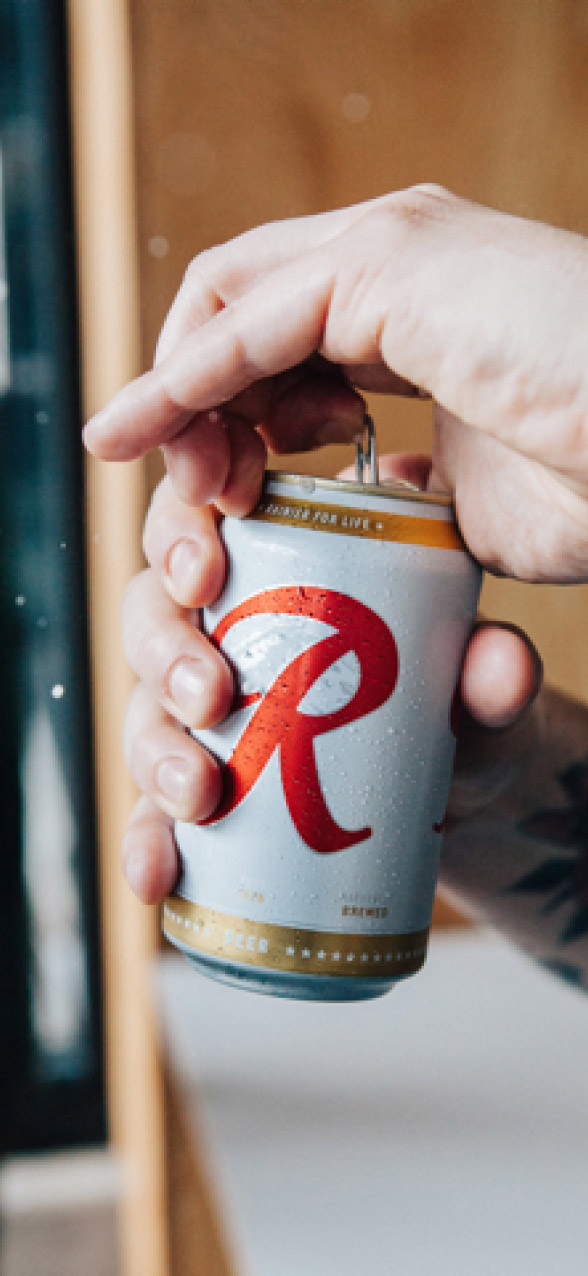
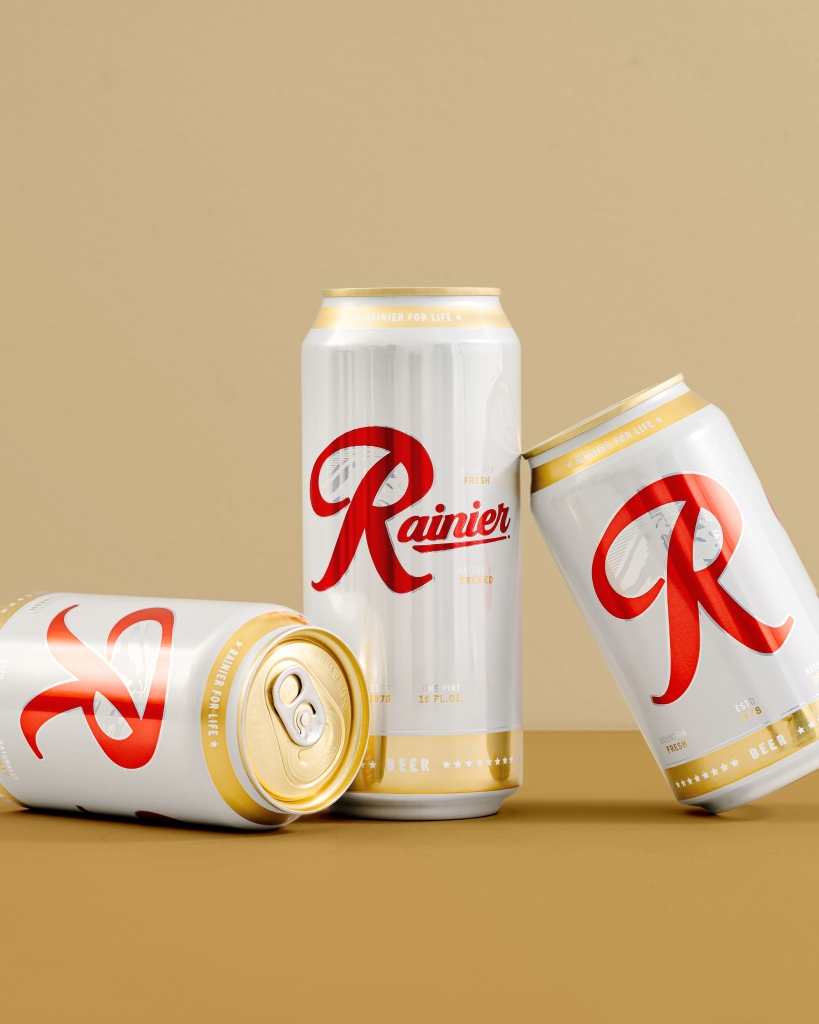
The episode centers on Rainier Beer, a Pacific Northwest regional lager that Parliament has worked extensively with. Rainier’s success comes from doubling down on its authentic brand essence: embracing regional pride, irreverence, outdoors culture, and maintaining iconic branding elements like its big red ‘R’. The brand deliberately avoided trend-chasing innovations or lifestyle wellness fads, instead focusing on consistent product experience and a compelling mythic world-building strategy through mascots like the yeti and a wizard character, “Kand the Gold.” This brand authenticity resonates strongly with loyal consumers and helps them fend off the fatigue prevalent in the broader craft beer scene.
Calvin also highlights other noteworthy brands, such as Michelob, which has dominated the special-occasion active/social drinker segment, and Bud Light, which has effectively cornered the rural/outdoor market through unique camo packaging and targeted messaging. He uses Voodoo Ranger IPA as an example of a craft brand that, despite aesthetic polarities, exemplifies strong brand unity through a consistent mascot, setting it apart from many craft brands that frequently vary their packaging and messaging.
Throughout the episode, Calvin encourages brands to resist chasing trends and instead focus on niche identities and heritage to build authentic connections. He notes how lower on-premise bar sales have shifted consumer behavior toward shopping for familiar, trusted brands to keep at home, underscoring the appeal of simplicity and consistency in uncertain times. Whether large domestics or regional craft beers, the brands thriving right now emphasize clarity of identity and connection to community, region, and lifestyle.
The episode culminates with reflections on the cyclical nature of the beer market, the importance of authenticity over novelty, and a reminder that brand loyalty grows when a beer helps consumers express who they are. Ultimately, the discussion celebrates the power of distinct, confident branding to create emotional resonance and long-term success in a competitive, evolving category.
Highlights
Deep dive into beer brands: exploring domestic, craft, and regional beers alongside market trends.
Beer industry trends: sales have declined year over year since COVID-19, with many craft breweries struggling as they chase flavor trends and novelty.
Special-occasion beers: Michelob and Busch Light excel by targeting specific lifestyle niches—health-conscious social drinkers and rural outdoor enthusiasts, respectively.
Voodoo Ranger IPA stands out in the craft beer market through the consistent use of its mascot, achieving strong brand recognition despite polarizing aesthetics.
Rainier Beer’s success: embraces great regional pride and heritage, with consistent branding centered on the iconic big red ‘R’.
Rainier’s brand essence: irreverence, outdoorsy spirit, mythic storytelling, and genuine connection to the Pacific Northwest community.
Industry insight: continuous pursuit of novelty exhausted craft beer consumers; authenticity and niche focus drive current market success.
Key Insights
Declining Beer Sales Post-COVID
The beer industry, especially craft brews, has faced a steady decline in sales (~3-5% annually) since the start of the COVID-19 pandemic. This drop is due in part to changing consumer habits and the saturation of similar-sounding flavor trends, causing buyer exhaustion. Much of this decline hits microbreweries harder due to their slim profit margins and smaller scale, which makes it harder to absorb market fluctuations.
The Pitfall of Chasing Trends
Many craft breweries attempted to increase market share by chasing flavor trends—IPAs, hazy/cloudy beers, fruit infusions, seltzers, and canned cocktails. While this initially drove interest, over time it diluted brand identity, making beers interchangeable and less compelling as consumers struggled to find consistent favorites. Trend-chasing ultimately weakens brand equity because competitors can quickly copy such ephemeral innovations.
Winning with Niche and Consistency
Brands currently thriving fall into several categories: “occasion” beers aligned with specific social contexts (sporting events, outdoor activities), strong regional beers tied to locality and heritage (e.g., Rainier, Lone Star), and those with razor-sharp, consistent brand messaging. These brands resist the temptation to diversify wildly or chase fleeting trends, instead deepening their relationship with a focused audience.
Rainier’s Brand Discipline
In contrast to much of the category, Rainier Beer exemplifies brand discipline by eschewing extreme innovation or trend chasing. They focus on their legacy as a Pacific Northwest staple—with emphasis on the iconic big red ‘R,’ mountain freshness, and outdoorsy, irreverent culture—building a mythic, tangible world around their brand through mascots and lore that deepen consumer engagement.
Avoiding Lifestyle Wellness Bandwagons
While some brands jumped on lifestyle wellness trends by adding electrolytes or marketing “functional” beers, Rainier strategically tested and rejected those directions. This demonstrates the importance of experimentation to test market fit, as well as the courage to stay true to the core brand identity rather than diluting equity with irrelevant innovations.
Brand Authenticity Over Novelty
The craft beer boom generated excitement through novelty after decades dominated by homogenous lagers. However, prolonged novelty has led to consumer fatigue, pushing the market toward brands that embrace authenticity, heritage, and niche focus. Authentic brands allow drinkers to express identity through beverage choice, transforming products into aspirational lifestyle emblems rather than mere consumables.
Changing Consumer Behavior Post-Pandemic
With on-premise sales at bars and venues declining, many consumers gravitate toward drinking at home, reinforcing the preference for trusted “go-to” beers. This shift favors brands with clean, consistent identities people want stocked in their refrigerators, further emphasizing the value of winning with a well-defined and reliable brand foundation.
Detailed Analysis
Calvin’s commentary highlights the complexity of today’s beer landscape: it’s not about who can innovate the weirdest flavor but rather who can build a brand ecosystem rich in meaning and consistency. The example of Rainier Beer, stewarded by Paps Brewing, showcases that deep knowledge of your audience and region can win long-term loyalty. Their world-building with characters like “Kand the Gold” and nods to heritage creates an emotional connection beyond the product itself, tapping into nostalgia and pride.
The commentary on Michelob and Bush Light illustrates how aligning with lifestyle niches—from fitness-conscious social drinkers to rural outdoor enthusiasts—creates differentiation in an otherwise crowded space. Purely functional or “premium quality” claims, Calvin argues, cannot establish meaningful differentiation because they lack clear emotional resonance or exclusivity; anyone can claim quality, but not everyone shares your heritage or culture.
Regarding craft beer, Calvin’s observations resonate with broader consumer trends across many categories, where initial excitement driven by novelty can give way to fatigue if brands lose their core identity or attempt to stretch too broadly. Craft breweries previously thrived by owning unique niches, but overextension and lack of focus have led many to stumble. The pressure to innovate shouldn’t come at the expense of brand consistency and authenticity.
Finally, the nod to shifting consumer habits—especially the reduction in on-premise consumption—underscores the importance of securing “fridge real estate” in consumers’ homes. Brands must provide a familiar, reliable experience to maintain mindshare in quieter, at-home drinking moments.
Conclusion
This episode distills essential lessons for beer brands and consumer-packaged goods in general: trends and novelties are ephemeral, but authenticity, niche focus, heritage, and consistent storytelling build enduring consumer relationships. Brands like Rainier Beer exemplify how doubling down on identity and building a mythic brand world deepens engagement and fosters loyalty amid a challenging market environment. The evolving beer market rewards those who are unapologetically themselves and understand the culture and community they serve.
The episode also serves as a reminder that behind every successful brand is a thoughtful strategy that balances innovation with fidelity to brand DNA, ultimately enabling brands to become an aspirational extension of the consumer’s own self-expression.
This summary captures the core narrative and rich insights from Calvin’s live breakdown of the beer category, illuminating the dynamic interplay of marketing, design, and consumer psychology that shapes success in this space.
Transcript
Heat. Heat. back. I Hey. Hey. Hey. All right, everybody. Welcome to You're Not the Audience. Uh, this is a weekly live show where I break down brands, products, and subcultures that truly stand out by not trying to appeal to everyone. Uh, I'm creative director Calvin, uh, creative director at Parliament. Uh, Parliament for those who don't know is a we call ourselves a brand transformation agency that helps brands when they're facing big changes and we do that through strategy, positioning, identity, messaging, all
that good stuff. Um, today uh is going to be a very fun episode. Uh, we're going to talk about something I love a lot. Uh, I love spices and drinks and this is going to be a good one. So today we're going to be talking about beer brands, uh, domestic beer brands, craft beer brands, all of that, all everything in between. And I think it's going to be great. Uh, structure of the episode, uh, every week we do this. We start with just some light news from Parliament, any recent obsessions that I've been
thinking about or folks in the studio have been thinking about, and then we'll kind of do a deep dive into uh beer kind of some of the trends that have been happening in the beer industry. And uh we'll really this is going to end up being a stream that's my way of telling you why Rainier beer is the best regional beer uh in the whole country and like how we helped them a little bit just a little bit. So uh that's that's going to be the uh that's going to be the that's the
real crux of this whole thing today. So, we get to do a little bit of self-serving uh work of showing you some Rainier beer work that we've done. Um I I will say the folks at Rainier are going to be mad at me because uh I'm I'm cracking open an Athletic on screen today since it's lunchtime. So, we'll talk about Athletic uh later in this, but I'm a I'm a big fan of the NA beers. I drink all kinds of stuff, but NA is nice. So, uh, but we will definitely talk about Athletic. They're they're doing
some good things. So, cheers everybody. Um, okay. Let's start with just some Parliament news. Uh, and some real fun news. Uh, we always try to do like kind of some kind of big event every quarter. This quarter is our Catty Shack Invitational, which is our golf tournament where we end up embarrassing ourselves on a golf course. And I my team usually comes in last place, but so that's fun cuz then we just always end up designing swag for it. So I could actually show you I started just collecting images for it this week as
some inspiration. Uh so this is just some boards I'm collecting from everything. I love this old vintage uh golf look. I don't know anything about golf uh but it's fun to do it with friends. And so I started just collecting a ton of this old vintage stuff. Uh I'm using Cosmos, which is a great app for collecting images. Good for design stuff. If nobody knows Cosmos, that's the that's the one. Uh but I think that here's actually another obsession that's uh worth noting
in this. You know, I feel like a lot of designers and brand folks spend a lot of times on things like Cosmos or Savy or Pinterest or any of those things, but you kind of get like fed the same things. One of like my big pieces of advice is go digging on eBay for design inspiration because that there you can find all kinds of great classic stuff. That's where like a ton of this imagery comes from. It's all just digging on eBay for vintage golf uh gear. So that's where you get to find the stuff that
kind of stood the test of time. So yeah. So Catty Shack Invitational, that's coming up uh next month for our employees and friends of Parliament. Uh what's the other other crazy Oh, another obsession that has recently started for me in some free time at work. Uh I started just making uh some little just some little fonts. I feel I feel like it's a stretch even calling them that because I'm just testing it out. But I started using this plugin for Illustrator called called Font Self and
it just allows you to design all your all your letters inside Illustrator and immediately uh turn them into a font. the real typographers out there are going to be uh really really uh upset that I'm recommending font self because it's it seems like it's uh it seems like it's something that's kind of for little amateurs like me uh when it comes to type design. But very fun. In fact, I I'll show you this. I just designed up a this was my my font I did in I don't know an hour
the other day and it's just one single one single face fit really fit really quickly. I've been obsessed with uh sci-fi stuff lately. So, I wanted a little bit of a sci-fi look. And that actually the other other obsession I've been thinking about non-stop, speaking of sci-fi things, and why I've been this is actually part of the reason I've been thinking about type so much lately is uh I don't know if anybody knows this or has been following, I'm obsessed with a video
game called Marathon. It's from the people who originally created Halo, did Destiny, all of those types of games. But the graphic design, the world building, the whole identity is like some of the most distinct I've ever seen in the video game world. And it's like they nail every aspect of it. And so that's what actually drew me in. It's kind of a sweaty tryhard game, which I am not that kind of super intense hardcore gamer, but just this world is so good. And they just really hit this
kind of like modern take on sci-fi that I love. Um the agency Kerpahosque did it. uh you know they're they're some big timers. They did great work for them and it's just the craziest looking stuff. They just it's all this bright blue, bright green and so they use incredible type throughout it and this is actually part of the reason I've been wanting to obsessively make little sci-fi looking type faces lately. So that's that's my that's my hobby on the side right now. But I'm I'm very
excited with how this game's been going. So, hey, if anybody wants to play Marathon, it's free week. Uh, it's free to play, so you can join me. Uh, oh, we're going to talk about these guys in a second. So, oh, Nick says, "I've been vibe fonting." And that is that is actually the most accurate uh way of describing. I've been hardcore vibe fonting. I I think that's probably the best way to say it because the real typographers would be hating on me for calling it
real type design. So, all right, before we before we get into talking about beer, uh anyone who's in chat, what's like See, I'm actually This is the funny thing is for doing as much work as I've done in beer, I'm actually more of a whiskey or a wine guy. Uh cuz I'm pretentious like that. Uh, but uh I love I love like a good simple clean beer. Uh, I used to like craft beers, like really weird ones. I've fallen out of love with that and now I just like a good simple logger.
Um, I like a lot of domestics. And so, anyone in chat, what's some of your favorite beers you've been drinking lately? Any or anything that you go back to? like uh is any any beer that you just kind of like this is my go-to, this is always in my fridge or something like that or if just one you've been excited about. I know I know Nick Nick in chat is uh he's I think he's our our our resident he's our copywriter and uh and creative director at Parliament and he's more of
the uh the the beer guy in the group. Oh, Nick St. Paul. Yes, I love that. Oh, campfather. That's Nathan. Uh cold. Cold is my preferred uh style of beer. That's usually is my number one uh requirement. Cold. Especially if it's got cans that show you that it's cold. Well, we might talk about some of that in a second, too. Uh all right. I think mine I mean I always have some kind of NA beer in the fridge. I often will have a whiskey and then uh followed by an NA beer. And I think the cool kids uh are our clients
at Rainier say that the youngans call that zebra striping. So, uh I guess I've been zebra striping. Maybe that's kind of like vibe fonting. I don't know. Oh, Campfather. Takat's been hitting lately. Camp F or Campfather. You know what you're talking about, Nathan. I love it. Yes. Ticate for years was my go-to drink if I was going to a metal show because they always had it in it was like you get it with a lime. It's always in a tall boy can which is great when you're kind of
standing stuck in a crowd at a concert. So I've drank a lot of Takades in my lifetime. So I don't have them on my list today, but Takate another good just like you always know what you're going to get. Good brand. Okay, let's let's start talking about it. Uh, so Nick, hops are low-key chopped. I'm all about malt profiles these days. Yeah, hops hops are chopped. That's that's the stance. I mean, honestly, hops are chopped is uh maybe uh an actually insightful thought on where beer is at
right now. So, okay, let's talk about the beer industry as a whole. Now, keep in mind, I'm not a hardcore expert in the industry or category uh as a whole, but I at least have some knowledge about how to approach them brandwise. So, beer in general, drinking in general, but especially beer, is in a pretty bad place from where it's been. Um, sales have been going down. A lot of lot of brands are kind of sinking. I mean, I think if you're follow beer, you've seen a lot of micro breweries closing. Um,
but it's kind of been interesting because it hasn't been bad for everyone. Uh, if you've really been paying attention, you've been noticing that like a lot of the brands that are sinking right now are kind of brands that have those vague identities and have focused really hard on craft quality and been chasing flavor trends. Um, so we talk about flavor trends. I mean, that was so big in craft brewing where it was like, you've got this IPA, you've got and it ended in that world of like
pastries and hazes and crazy things like that where rather than digging into who they were as a brand and amplifying that, they started chasing these trends in search of novelty. So, we'll end up talking a lot about novelty today and how that can actually be pretty damaging for your brand overall. Oh, Aaron Fre castle. Uh, Free is great. I don't actually have them mentioned in here, but Fre is awesome. I don't know. Actually, I assume Frees-wise is doing great because they are just super focused on their
brand. They feel almost like a classic. Their identity, like they explore, they create things, but everything is so consistent from an aesthetic perspective that it always still feels like you're getting a frame. They don't do wild crazy stuff. and their beers taste great. I think they're pretty getting pretty big these days. So, okay, some sales trends overall. This is what's been happening uh with beer since CO. Basically, CO was a big drop off. Everyone drank too much during COVID and was like, maybe it's
time we sober up a little bit. Uh so, year-over-year beer beer sales have been kind of sinking down a few% every year since CO 3, four, 5%. And so a crazy stat is only a little over like 50% in the people of people in the US report that they drink right now, which I think is a record low. Um, which is which is also hilarious to me because I like I know who my friends are and I think a 100% of my friends drink. So I don't what's that say about me? But yeah, supposedly about only I think it was
like 54% in last studies uh found that only 54% of people in the US are drinking. So, and what's we've also seen is that like craft beer especially uh and micro brews are like really feeling that pressure because they operate with pretty slim profits in those businesses. They don't have like the scale to kind of stretch and so a few percent drop for them across the whole industry can be a pretty big killer. that. So, the thing that I I think the the thing to kind of come back to is that
a lot of the beers that have been sinking have like they're doing good things. They're making great beers, but like I said, like they started chasing all these trends where they were doing these different flavors. Everyone's doing a seltzer. everyone's doing a uh like a canned cocktail and but none of them feel like it's coming from them. It always just feels like they're chasing kind of like a little piece of that market share for where those things are going. Which as soon as you start doing
that, you just start looking like everyone else and no one starts really seeing like what the distinction of your brand is and like why they should just become wholly invested in your brand as opposed to someone else's. So, we're seeing some brands that are really bucking those trends, though. And the ones that are kind of really resilient and growing right now have at least one or two of these traits that I've kind of noticed. And one is uh big occasion beers. These are beers like occasion
beers are beers that you drink specific occasions when you're doing sports, when you're doing outdoor stuff, things like that. other ones that just have like razor sharp identities where every product is very consistent. It's always being spoken from the same messaging. I mean, of course, that's good branding, but like that's actually rare, especially in the craft area to be talking about like uh show up showing up and speaking from a very consistent uh perspective because craft brewy became
like look at all this different stuff we can do. So, if you're focused in and really clear, you've got a good chance. The other ones are beers with really strong regional uh regional focuses. That's beers that focus on their history, their heritage, and specifically their geographic location. That's why I love Rainier Beer, but we'll talk about a few of those. And then just last kind of just ones that have like really strong heritage. They and the heritage and regional stuff
seems to mix in a lot where they kind of play into this nostalgic uh trait and they it's not quite your dad's your you know your dad's or your granddad's beer but they've found a way to what what did I say I think last stream I talked they they found to uh a way to weaponize nostalgia by turning it into heritage. So they've done a great job of that. So, let's talk about some of these. Uh, let's jump into and I think here's one thing I want to say upfront uh about all
of these is I know we have a tendency especially if you're of the you know if you're a pretentious jerk like me. I think we have this uh tendency to be like, "Oh, I'm into like craft beers. I don't drink domestics." Or like the real artists are doing the real artists and master brewers and all the things are doing the craft stuff. And I think that is just like a thing we have to first get over immediately because when you're talking about the people who are making the domestics, even like the Budweisers,
uh people working at Kors, all of those things, those brewers are incredible. Like absolute top of their field. their drink has to taste the exact same year in year out. And like that is an incredible accomplishment. So, uh it's actually much uh it's by comparison, it's quite a bit easier to make IPAs, things of that sort. And especially when you don't necessarily have to crack them every single year like they need to be with this exact one. A lot of the like larger micro breweries are really good
at doing that. But I think that's just one thing to keep be mindful of is that like the people working at those giant American logger companies are doing incredible work. So let's talk occasion beers, special occasion beers. I mean the one that is absolutely dominating this right now and it's which is funny. I just don't get because it's not a brand for me is uh is good old Michelob. Michelob I think is maybe now the number one beer in the US. It is massive and they are a special occasion beer in a
way where they have completely cornered the market for like active social drinkers who are health consscious and so it really is an aspirational beer. And I think their tagline is their tagline is it's only worth it if you enjoy it which is just like so good because it is that kind of thing. It's giving you permission to kind of like, okay, I'm health conscious, but you know what? I'm going to like take time enjoy this. And they're they're crazy huge now. Um, aesthetically, they show up the
same everywhere. Even this one, I pulled up this one cuz this is like the official uh World Cup one they release. It still looks like Michelob. They aren't doing anything super crazy with it. And this is like their wheelhouse. If there's a brand that should show up for World Cup things, it is them. So, they're they're looking great. The other one that is a really good special occasion beer that's something to learn from and has been the same forever and I feel like people joke about it, but it's
Bush Light. Like Bush Light is just so consistent and they they have completely like if you are into rural outdoor recreation, if you're hunting, you're fishing, they have found a way to completely corner that market. And they can do absurd things like uh I don't know if anybody has seen there when they do the like bright hunter orange camo cans and things like that. Like it's so good-looking and like they do stuff like this image here where you're just like what the hell is going on here, you
know? It's covered in camo. They've got this like goofy cooler that has a scope and everything on it like little spotter. Uh I think it's just like they know their market and they just keep doubling down on that. And so kudos to them. Like I feel like forever it was like everyone poking fun at Bush Light and now it's kind of like they're they're kind of bucking this trend. They're doing great. Uh the other one that I think is worth mentioning as a as a uh as a good old
special occasion beer is our athletic beer. I think this one is kind of tough because this is kind of the whole NA category in itself has become kind of a special occasion beer. So I'm really curious how this market changes over time. We had a really huge boom right after COVID with this. I mean, Athletic has kind of dominated because of their consistency and just their whatever they're doing to get into the market everywhere is pretty impressive. Like, you look at everything, it looks somewhere between a craft and a domestic
a lot of the time. And it's just super consistent logo placement, everything on the can. You always know as soon as somebody's grabbing an athletic. And uh it's just that kind of like thing. They're really good at being like kind of I the name is athletic, so it's orienting you toward this more healthconscious lifestyle, but it allows you to kind of join in and drink alongside others and like in social environments. So, I think there's a lot of lot of brands doing exciting work in the NA
world and so I'm excited to see where they all go. Okay, that's special occasion beers. um one that let's talk about just like this is one I think is a super interesting example of just someone with a really razor sharp identity and it's not a brand I would normally think of with this but then especially in the craft space and that is Voodoo Ranger IPA. Um now I want to I want to be clear here aesthetically I struggle with this brand so much. You could probably not pick a brand that is
more like diametrically opposed to my aesthetic, but they have done something so good with this which I think a ton of other especially craft this someplace. Yes, I know. I I feel I feel the same way about Voodoo Ranger. Um I really struggle with Erin. That's That's just an That's just an empty table. Uh something about Voodoo Ranger is they did something that all craft brewer like most craft breweries have screwed up. And most craft breweries try really hard to make each individual can look really
different. Like this one tastes like this, so it needs to look like it's containing these flavor profiles. This one looks like this. It needs to look like this. These guys were smart. This goes back to our talk about fast food uh last week and fast food brands were really good at creating mascots and mascots end up being really powerful tools and the voodoo ranger skeleton they consistently put on every can and I mean it has taken over New Belgium's business like it they are voodoo ranger
now for better or for worse. Uh so yeah uh please please in chat drop all your thoughts on the uh design aesthetic of Voodoo Ranger cuz um I really struggle with it. But it's been so impressive to see how much they leaned into that mascot and how consistent they've been with it. I mean this stuff's absurd. It all looks like Mountain Dew cans to me. But I mean good on them. They're they're great. And I think just like that kind of iconic mascot is really rare. And this is stuff
I mean this is stuff that's come up in our own conversations internally. Um years ago we did the rebrand for Fremont Brewing, which we really like Fremont Brewing and the stuff they did. But that was one thing that we kind of like that was a really important deciding point when we did work with Fremont Brewing was Fremont Brewing is really known for having every can is a very unique illustration. And that was an immediate challenge we identified up front was like how do we create a really consistent can and packaging experience
when that illustration changes on every single package. So um I don't have any photos of Fremont pulled up right now otherwise I'd show you. But we designed a really simple system where it's just the Fremont's always in the same spot. You're always seeing it and then the lets the illustration like be a canvas that fills everything. So, uh just interesting challenges that happen when you're trying to develop a uh an identity that changes up a lot. Okay, let's talk about uh what now I
think are some of my favorite uh my favorite aesthetics in beer. And that's all the strong the kind of like strong regional beers, the ones who are doing great. Uh number one favorite by far just aesthetically is Kors Banquet. It's in a stubby. They know what they're doing. Kors and Kors Light. Uh I feel like we like to dog on Coors Light, but their whole brand is all about like if you want a cold drink and you're near the mountains, you're probably drinking a Kors. Like they know
that corner of their market. They It's like it really is about coldness, refreshing. It's like a beer for relaxing. And Banquet specifically is actually doing pretty well because it's like they're doubling down on this idea of like heritage, legacy. They've got a lot of history in like a way that other like they promote their history in a way that a lot of I think other domestics don't. And so they've been doing really well. Um so, uh Campfather in chat, this is the this is the beer. These are the
beers for you. They're cold. Uh the other one I think that are on the more micro side that I love is uh Naraganzit. So uh I don't know if everyone here on the west coast has had Naraganit. It shows up around here occasionally. Um Naraganzit, which is actually owned by Quicker City Merkantile. Well, they're one of the owners. Um which is an agency who they're also the agency that uh like a design agency. They also own Hendrick's Gin and things like that. But Naraganza has uh they have been a little
bit more exploratory. They do a lot of different flavors, but their whole vibe, their whole messaging, their whole aesthetic has been like cornering the market on like we are the official uh beer of the Northeast basically. So if you are hanging out near like a cute little coastal town in New England, this is the beer you're drinking. So everything is about that. It's about It's about crabs, lobsters, hanging out. It's It's really really good. Nick says, "I drink whatever Sam Elliott
tells me to drink, as you should. Do whatever Sam Elliott says. His his doulit tones." Uh, and then, okay, another good region. So, this is like technically I mean, Naranzit is technically a micro. I think they're in like 15th or 20th biggest brewery in the country at that size. And the next one I love, also owned by Paps, who also owns Rainier Beer. So, we'll talk about them some, is Lonear. Lonear is great. You're in Texas, you're going to drink Lonear. They are, as it says here, the national beer of Texas.
If they ever stepped away from that, it would be catastrophic. like if they tried going broader and it wasn't all about Texas and the greatness of Texas, they would just fall apart and so they know really well. They kind of did a re bit of a rebrand where they really doubled down on that. I think around the time that we did Rainier beer as well when Paps was doing a kind of big reimagining of a lot of their portfolio of regional beers. So I think Lonear is great. I even begged people at Paps to let us work on
Lonear. They're like, "Nah, you're in Oregon, not in Texas." So, so I tried my best though. Uh, and then last, I think this is also like that group that really relates to this is a lot of the heritage beers. I mean, there's a ton of brands that do this well. I mean, I already talked about Kors and Kors Banquet especially are really good at nailing that heritage vibe. And the but the one I really want to talk about of course is uh good old Rainier beer. So Rainier for for anyone who doesn't
know we started working with Paps the owner of Rainier Beer years ago uh when they originally came to us to work on some uh some work for Olympia Beer Rip. Maybe it's coming back someday. I don't know. Uh so for anyone who remembers Olympia beer, but we started working with Rainier years ago and this was a big change up time for uh for Paps. So to kind of kind of step back, like I said, Pap's Rainier, uh for anyone who doesn't know, Rainier is just classic American logger. Think
your Budweisers, your things like that. um but only up here in the Pacific Northwest. And Rainier has existed for a really long time. Uh since 1878, as you can see there on the can. And while it has been around for, you know, well over a century, EBR really dominated the American logger market, especially in the Pacific Northwest for so long. If you were a dirt bag like me and at metal shows for the last 20 30 years, uh you were drinking PBR or in my case a Takate, but you were drinking PBR at these things.
That was it was just universal. They were everywhere. Something happened. PBR kind of reached saturation and I think PBR sales kind of dipped and Paps did a really smart thing as as stewards of their brands. They started investing in regional beers a lot during that time because they're like, "We know, we know like this is the cycle that beers go through. PBR might take a little bit of dip. Let's heavily invest in things like Olympia, Rainier. They invested like others like Stag and
stuff like that across the country and something happened with Rainier where it just has exploded now. Like Rainier is doing better than it ever has uh because they invested in it heavily. They got kind of the right people in there finally and just really really understood the magic that makes Rineer special. So, let's kind of talk about I think what they didn't do uh which I think is really important. So, I'll just switch back here for a second. So, like what didn't Rainier do that I
think was really important. They even tested some of this stuff and they were like, "No, it's not for us." So, what didn't Radio do? They didn't end up doubling down on like super crazy flavor extensions. They didn't do anything really nuts. They even tested the market to be like, is there um is their desire for this like unique kind of takes on Rainier, just it wasn't core to their brand. So, they kept innovation overall to a minimum because they knew it would kind of screw up the core brand. Uh they
didn't do any major trend chasing. They Rainier did try a seltzer and I think that kind of taught them a lot about where their like hardcore fans really were and so I think that just was like stop tracing ch trends just become who we are supposed to be and uh the other thing like I haven't talked about this this is actually perfect moment they didn't do any of the like premium craft craft low stakes [ __ ] messaging. A lot of craft brands and domestic brands really focus in on this idea of craft and
quality and like we do this to this and you know you just can't make yourself distinct at that level because any of your competitors can say the same thing. the way the test the best way to test these kinds of low stakes things if they if you're saying well we're premium craft and quality is like does that mean that anyone else out there is saying like we're no craft we're low craft like we're low quality nobody's saying that so that means it's kind of just a like
throwaway promise to to your customers and that's not how you actually are going to create really strong advocates like craft is exciting for a very very small niche of people. But even to get the people who are really passionate about like the craft and how you're making your drinks, it requires a different brand that like different brand messenger to really pull those people in, make them fans, and then get them excited about your quality and craft. And the other thing Rainier didn't do was they didn't pivot into
like hardcore lifestyle wellness. There was like quite a few brands. I mean, even this I'm drinking an athletic right here and um Michelob, even those bigger brands like pivoted into the kind of a little bit more of this like lifestyle active thing. And there were also brands uh beer brands that were doing crazy things like adding electrolytes into their drinks and stuff like this and trying to find is there a function. They're trying to turn their beers into functional products as opposed to like
enjoyable consumer goods. and they locked that down. They even did some testing internally. I know this. I don't know if I'm supposed to share this, but they did. And they're just like, "Nope, not us." And I really commend them for that. Like, that's great. Put the feelers out there as a brand. See if there's appetite for it and shut it down if there's not. Uh, okay. Let's talk about then how uh how a brand like Rainier and I'm really talking about Rainier because I think they
exemplify a lot of these brands. Uh I just have I just have specific insight into them and I think the uh I guess everyone has everyone in chat trying to think of where everyone's located that I know of in chat. Has everyone in chat had a rainier before? I think so. I'm just going to assume that everyone has had rainer. Let's hope so. If not, we'll find a way. We'll talk to Sean and Mia and we'll have at Rainier and we'll have them send you some Rainier somehow if you're somewhere else.
Okay. So, let's talk about howRainier is winning now. Like how they're doing good. Yep. This is some place that's Jared uh is only only the Pacific Northwest. Hey, I I hope Rainiertakes over the world someday. But they're right now uh they're really good at just like hitting it home. Cascadia. Nathan, you live here in Portland. You can go buy your own case. I see that. Probably send me a case. All right. We'll see what we can do. Uh okay. So, what Rainier did first
and foremost, this is important for so many brands to remember, just ignore everyone else and be yourself. I feel like this is the cheesiest advice. This is like something your parents tell you when you're a kid, but dear God, is it been so important for so many breweries and beer brands to really remind this remind themselves of this. Like, just ignore everyone else. Be yourself. Do the thing you're good at. and the people will follow. So, Rainier, just double down on intense intense regional pride. It's all about drinking
mountain fresh rainer beer. Uh, all of their lore and world building revolves around the idea that like this isn't this comes from the mountain. And this is there's even some joke writing that we've done around things where it's like the mountain is named after the beer like and the whole land of Rainier beer is R Mount Rainier and it is this special world worth exploring. The other one is uh I've got some got some uh glimpses of some stuff in here. The other thing that is like they knew
that they were like everyone else in the Northwest, this is just the parliament case study on every um on Rainier, uh really focus in on their irreverent outdoor culture. So, they didn't really want to be like a good times bro beer. It was just about being like, I'm just a good regular Joe or Jill and I like having fun outside and I want to be part of that. So, uh, this is even like from the brand book in here. It's just about rainer for life, which is always a fun classic line that's been on the can forever. And one
of their brand attributes is irreverent. Uh and the other thing that uh Rainier has done right is they know their heritage. The big red R is absolutely sacred. When we started working with them, that was like the one thing that we talked with them was about just like it has to be all about the big red R. It is iconic. There's even just tons of companies have rift ripped it off up in the Seattle area. you'll see like a dump truck company that uses the red R on the side of their uh on the side of their
trucks just because it's like that omniresent up there and we're fine with that. That's great. Like use it for your own thing because all it does is further endorse our brand and how legitimate we are. Um, and so that was like when we worked with them, the big thing was just about like make it all about the logo, the mountain in the logo. And that's why even on one side of the can, it's just the red R because that's what everyone knows and uh just don't screw that up basically.
So, the other thing that we've talked about is uh that I think they're really good at doing and why we've had one of the reasons we've had a blast with them is Rainier's really good at the world building side of things since they're a reverent. Um we might have some of their uh this bunch of real real nerdy stuff in here. Oh, you can see the brand attributes for them that we worked on over here. Uh irreverent, outdoorsy, mythic, genuine. These are just like the filters that we use with a brand to just
be like, does it pass the test of these? Like this is if it's not irreverent, if it's not mythic, if it's not outdoorsy, if it's not genuine, it's probably not rainier. And so what that allowed us to do is then mythic, what the hell does that mean? It allows us to build this whole world around them. Uh investing in a lot of work that they did in the 70s and 80s with a lot of classic commercials that they had. Uh, I don't know if you see them in here somewhere, but uh, Rainier is known for having the
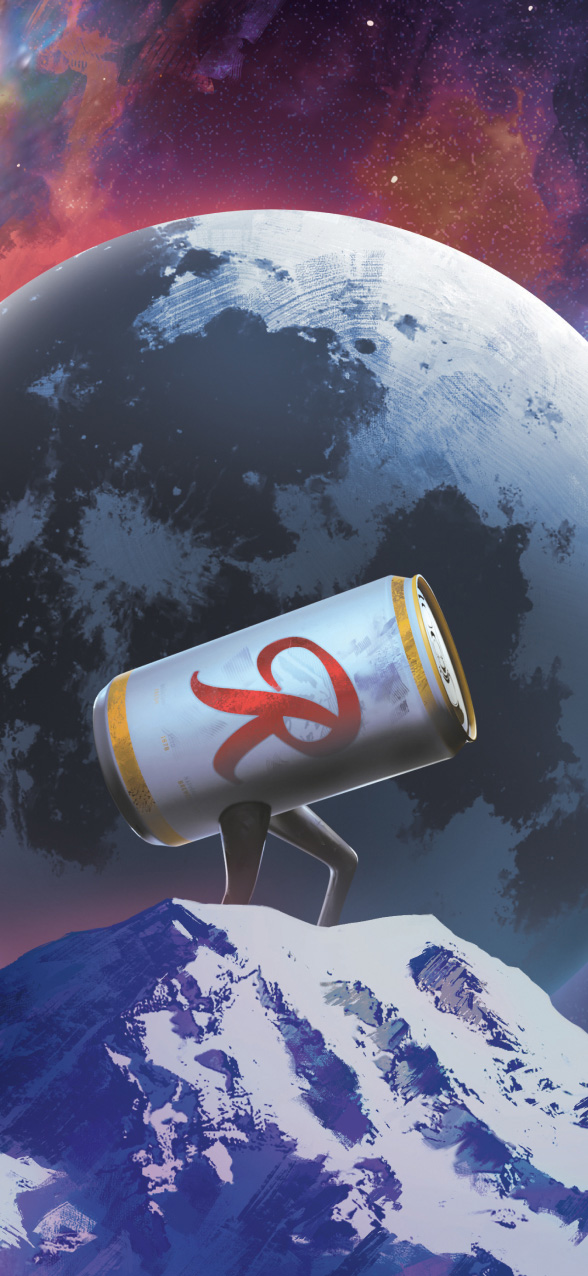
Wild Rainiers, which are like these animated cans like uh, that look like people legs with cans running around or bottles. That's kind of like a a a creature that lives in Mount Rainier Uh, they also have uh, double down on the yeti for decades. There's a character called the Barbarian. And we invented a character called Kand the Gold, uh, which is obviously the wizard who rules over Mount Rainier. And so, we've created this whole world for them. Actually, oh, I've got this open. I'll show you this. So, this was
when uh we really started having some fun. Uh, every year we do uh holiday packaging for uh Rainier. It's called Jubilee. And the year I feel like we really started hitting our stride just for them as a brand overall and they were really hitting a good thing was this was 2024. And this is just my my favorite uh holiday thing we've worked on cuz I did the illustrations and I'm a fantasy nerd and I love uh I love this wizard. So, we did these illustrations of them with the Yeti with the beer barian, which is one
of their characters, a beer barrier, and riding a Wild Rainier. And then on the other side of all the packaging, it would have Kand the gold with his orb with a big red R in it, basically. So, that showed up in packaging like this. Uh, and then on the cans, you could see it would show up just in chrome or in aluminum like this. And then we did a snowboard for it where you can see uh the front and back of the snowboard. We just had like one side had Kandalf and the Yeti and Berbarian and then uh one side that's just
Kandalf. So I feel like this was when we were really hitting a good stride with them of like double down on the world building of Rainier and it creates a world that's worth exploring. It gives us some of those mascot uh aspects where if I could slap Kand on everything, I would. But, you know, we gota we got to let the big red R do its thing. And I think the other thing that they were really good at doing is just the fact that it's the same beer you've always loved. They aren't trying anything
crazy. The type of beer listed on the can is just beer. It just says beer on the bottom. We all know what that means. So, it's like it's just a good cozy hug from a beer. what every time you crack it open, like you know exactly what to expect. So, I really love working with them and they just get it in a way uh that's honestly really surprising. So, kudos kudos to the team there. Um, all right. So, I'm probably missing a lot of other things I love about Rainier, but this is just these are some of the some of
the real fun moments from it. It was actually really exciting when we started working with them because they came to us and they weren't really sure exactly, you know, there was this new guard came in at Rainier and they weren't really sure where they should take it and they were like considering like maybe it needs to be a big change up. Maybe we need to let go like there was like this was seven years ago when maybe we started working with them six and uh and they weren't really sure you
know that was still kind of like craft was really kind of dominating the conversation. Do we like do some things that call out to them? And we were just like nope your your brand is the big red R. It's the world you're building. It's everything mountain fresh. It's just a big red R on a white can. that is your brand and like you can own that and become like the dominant beer in in the region. It's been great. Um, so I think like all right, we all love Rainier. So what are some things kind of that we
can pull out of that? So here's just some some overarching thoughts about all of this. You know, for the last few decades, you know, craft, let me think of how I want to put this. For the last few decades, craft. Oh, boy. I'm going to get it out. Okay. Craft beer. Craft beer has spent decades trying to become more novel and chasing novelty, which really worked for some time because, you know, there were decades before that where it was just like the same type of beer and everyone it was
only loggers existed and so craft beer really did generate a lot of excitement in the beer category and it really blew up. The problem was was after decades of chasing new novel beers, chasing trends, trying to create different flavor trends, uh the crowd became exhausted. Like it actually becomes unless you're a really truly diehard fan, it becomes really exhausting to chase a category that is just like constantly changing like that where every go time you go into your favorite brewery, they've got different
beers that you've never had. Where's the one that you liked last time? There's all this kind of stuff that happens. And so that really created kind of a problem where the whole market just got exhausted. And then what happened quietly during that time was all these regional beers and domestics and a lot of craft ones too that just kind of like saw saw where the future was going. They spent all those decades just becoming more themselves, more authentic to what they actually cared about and just even
more focused on their niche. I think that was the thing that a lot of craft brands especially really lost sight of was that it was their them focusing on their niche that made them successful initially and once they tried to go broad it just watered their brand down and everyone lost sight of what they were doing. So Rainier Beer and many others like it weren't trying to become more relevant. They were just trying to become more themselves. And I think that's one of the biggest things to learn with
what's happened in the whole beer industry and spirits industry in general is the places that are sticking to their guns, defending their niche, narrowing down, creating a world that's worth exploring as opposed to just spreading wide and creating more SKs across different categories. They really just nail down in the one that they're good in. That's the places that seem to be kind of like building walls around their business and doing well. So, and the the important thing about
that is because like when you're a drinker and you like drinking rain or something like that, when that brand is becoming more and more itself and it's becoming more uh steeped in this world that you enjoy, that brand is helping you become more of yourself as well. It helps you imbue yourself with that world more and uh it helps you become it becomes an aspirational brand then even though it's simple this is an American logger um and there are other American loggers like it technically but this one
is yours and it is like an aspirational brand that you can kind of like live into. So, I think that's kind of it. Like right now, just heritage, authenticity, whatever authenticity means. But, uh, that's maybe a whole other discussion. Like, heritage and authenticity are just crushing novelty and that premium craft messaging right now. And it probably won't be like that forever. I think these kind of categories go in cycles. there's been some greater consolidation in the beer category again where AB and Bev brands
like that have bought up a lot of small craft breweries. So like this whole cycle I wouldn't be surprised if it happens again. So that's probably something for these brands that are like smaller and more focused to be mindful of. But right now it's I don't think it's ever a bad idea to just double down on who you are. So, all right. That's uh that's some some thoughts on on beer and where it's going. I think I think that kind of hits a a lot of the notes I wanted to make sure I'm see. Let
me look through my notes really fast. See if there's anything exciting I wanted to make sure we hit on. Oh, I think that's I think that's that's it. There's probably I mean I could talk about beer and whatnot forever. Um I know I'll just say some of the brands that we've worked with are working on things that I am very excited about that I think help them become more themselves. And I think that's uh really good. I don't think it's bad to have some kind of innovation in your product
line. I think it just really needs to be rooted in who you are and not chasing like, "Oh, we're a beer company. Let's make like canned margaritas." I don't It's just there's no way you win at that game because someone who's like really focused on that will end up beating you. Like I think actually I mean I'm drinking that this athletic right now. I think the NA industry like athletic became so quickly dominant that the NA industry is actually going to be uh I think really difficult to break
into because I think there's a at least from my perspective it seems like the word athletic has almost become kind of like the Q-tip of the NA industry. So, like you can go to a bar and ask for an athletic and if they don't have athletic, the person's like, "Well, we've got this one." And I've seen that happen with on premise uh you know, at bars a lot. And so, that's actually one thing I didn't talk about is that a big another challenging factor to this is on premise sales have dropped
a lot. That's like sales that actually happen at bars. And so, people aren't going out as much. So, when people aren't going out as much as they used to, they're just going to the store and buying things and returning to their old standards that's like, you know, I always talk about um there's like a couple types of drinking and uh or food or anything like this. There's the like what's your exploratory one? You're like, I've never had this. I'm going to go out and try this. I'm
excited. I'm chasing the novelty. But like what's the one that's at home in your fridge, you know? like what's the one that's just there for you all the time? Those are two very different decisions from a consumer perspective. And I think for years we had the like we're going out, let's chase novelty. And now the the zeitgeist is currently be like, let's be at home, let's stick by our old standards. And so that's kind of like where I think a lot of that like
regional focus and everything really nails it. But all right. Did anyone anyone in chat crack a crack a cold one today? See the the nerdy the nerdy also the other really nerdy reason I'm drinking the athletic today is because I'm going to play some marathon the video game at some point and I need to be you know I need to be sharp. Nathan Campfather says yes. Nathan, what are you drinking? Are you drinking a tcate? All right. So, I think that's that covers beer. Uh, we'll definitely come back to talk
beer more often. Uh, it's a world I love working in. I think it's a world that really benefits from having like sharp positioning and uh sharp distinctions between it because it's a consumer packaged good and it's really hard to compete in those spaces. So brand can be really important and I mean let's be honest there's the thrill of designing something and doing brand work for something that shows up in your grocery store. That's maybe still to this day after over 20 years of
working in the industry. That's still maybe the coolest thing uh you can have. Oh, Nathan says he's drinking the Pelican. So, for if anyone He's drinking Pelican. So, is Pelican beach beer a thing or is that just I wouldn't be surprised. Oh, here we go. Let me pull this up for everyone. This is what Nathan's drinking. Oh, okay. Life life's a beach. Drink it in. I mean, yeah, I have some thoughts about this. That's a I mean, Pelican is actually um I have no idea how Pelican's
doing these days, but Pelican for a long time. Uh they've had this packaging here, which sorry, I'm going to zoom in in kind of a goofy way because I don't want to jump to a random Fred Meyer page. Like they've had this that Pelican has shown up on everything for years. And like when they do that, great. That's good, consistent. But uh this one doesn't say pelican anywhere. Survival of the Chillest. Yeah. I mean, it's it's this is the kind of stuff where it's like cool. I love that
they're making it, but um this is definitely obviously a beer that's just going to like float them while they get on to like some whatever next thing they're going to make, you know? Um but good on them. I mean, it's it's fun, you know? It's got some good colors, but I don't blame you for drinking it, Nathan. I' I'd drink it. Uh, Nathan said it was on sale for a reason, probably. You're probably right. Um, I mean, this is another craft brand. I don't know how they're doing these
days either, like sales-wise, but who cares? Like the Buoy stuff, incredible. Reuben's also in pretty good. Uh, but Buoy is just insanely consistent on everything. It's always about that circle with the buoy in it. Uh, their stuff looks great. So, that's that's the way you do a nice nice craft beer that feels like it's been around for hundred years. All right. Uh, thanks so much everybody. That was great. That was uh You're not the audience this week. Um, next week I haven't quite decided on what I want to
tackle yet. Um, I've talked a lot about I think last week I talked about uh millennial branding as a subject like all the all those like the giant explosion of brands that were doing things like purple mattresses and burrow sofas and that where they were like taking old categories and reimagining them in new ways like Everlane which Everlane just got bought by Sheen Shine. I always forget how to pronounce their name. So, like we've officially maybe reached the end of like millennial branding and so I've been thinking a lot
about that. So, uh maybe that'll be what's comes up next week. Uh but we'll see. I'll I'll post it up like I normally do. Share it on our Instagram. Uh we officially have a new uh a little landing page on our website too for you're not the audience. So, uh, I'll start linking all these things around, but and the, uh, show placeholder will go up, uh, probably on Monday or Tuesday, so you'll see what it is then. Uh, but that's it. All right. Uh, happy Thursday, everybody. Thanks for
joining chat. This is great. Uh, sorry I forced you all to look at Voodoo Ranger. I know it's a real affront on a graph on a uh a stream about where people are passionate about graphic design, but I promise I'll make it up next week. All right. Uh see you all next week. Thanks a bunch. Another fun stream.