Build your brand around a subculture
A persona says your customer loves authentic experiences. Calvin Ross Carl shows how a subculture, like mountain biking for Marzocchi, tells a brand exactly how to behave instead.

Summary
Calvin Ross Carl explains that defining a subculture tells a brand how to behave and how to interact with its world. A persona might say Sarah loves authentic experiences, which is vague. A subculture is specific. For mountain bike brands like Marzocchi and Race Face, it means stickers on bikes, big air competitions, zines, bike shops, slang, riding locations, and the adrenaline-junkie brotherhood that ties riders together.
Highlights
- Subcultures tell a brand how to behave.
- Vague persona traits become concrete behaviors.
- Mountain biking hands brands stickers, zines, slang, and events.
Key insights
Specificity beats sentiment
Knowing riders want stoke and epic rides is more useful than knowing they like authenticity.
Permission to lean in
Once the subculture is defined, a brand can confidently show up in its places, events, and language.
Detailed analysis
Using Parliament’s work with mountain bike brands, Calvin shows the practical payoff of subculture thinking. The subculture supplies the artifacts, places, and values a brand can act on, and it allows useful assumptions about the people in it. He notes that this is where generalization starts to help, not just hurt.
Conclusion
Define the subculture and your brand’s behavior largely writes itself.
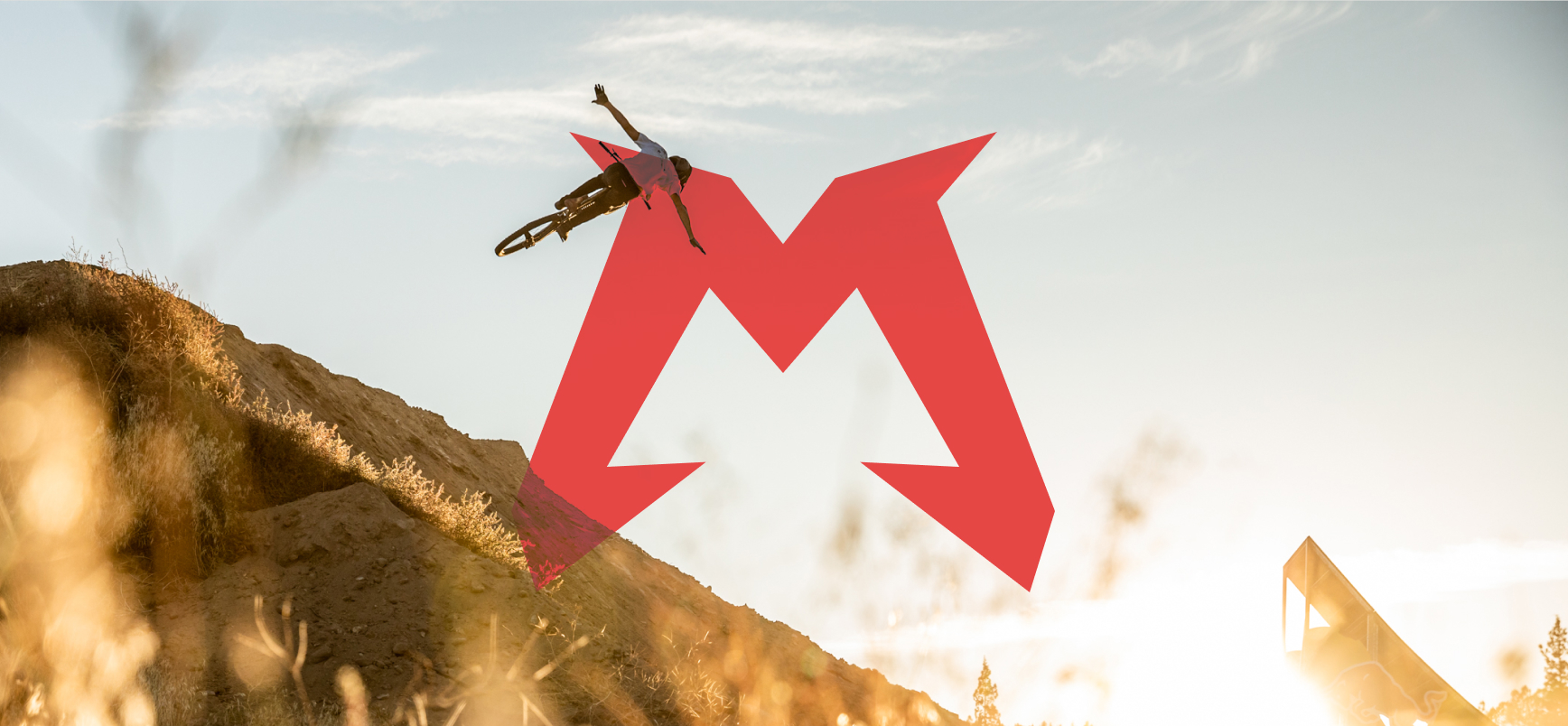
The cool thing is that once you start defining that subculture, it starts actually telling you how your brand should behave, how it should interact with that world. So, for example, I’ve shown you some mountain bike branding stuff, like Marzocchi and Race Face. There are all these companies that make cool mountain bike gear. Personas might just tell you something like, when you’re a mountain bike brand: Sarah loves authentic experiences. And you’re like, okay, I get what that means, I think.
But when you focus on the subculture, it actually starts telling you exactly what that person genuinely cares about and all of the places they exist, and that gives you permission to lean into things. So if you’re targeting mountain biking, that gives you stickers to slap on bikes. That gives you big epic air competitions for bikes. It gives you zines that are part of these worlds. It gives you bike shops, the slang that they’re using, the geographic locations that they’re focused on.
Especially if they’re like Marzocchi, that brand that we’ve been working with, they’ve got a love for stoke and epic rides. And then that is also about brotherhood in that group, that adrenaline junkie brotherhood that happens. So you can immediately start assuming all of those things about people. And that’s kind of where we start getting into some of that gatekeepy stereotype and generalization stuff that can actually be helpful.