The RPG that made rulebooks punk
Role-playing rulebooks looked like textbooks for decades, until Mörk Borg. Calvin Ross Carl on how a punk, metal-zine aesthetic broke the genre wide open.


Summary
Calvin Ross Carl points to a big shift in tabletop role-playing games. These games have been around for 30, 40, 50 years, and their rulebooks have mostly read like textbooks. Then Mörk Borg came along, with an aesthetic created by Scandinavian designer Johan Nohr, and asked why nobody had tried something different. It turned the rules into a messy, janky punk or metal zine, with some pages almost unreadable. No one had made books that looked like this, and it exploded in popularity.
Highlights
- RPG rulebooks followed the same textbook style for decades.
- Mörk Borg’s design, by Johan Nohr, looks like a punk or metal zine.
- Throwing out the old style made it a breakout hit.
Key insights
Ask why nobody has tried it
Mörk Borg started from a simple question about a format everyone had accepted for half a century.
Design can carry the world
The gnarly, heavy-metal look communicates the game’s world before anyone reads a rule.
Detailed analysis
Mörk Borg is a clean example of Calvin’s argument that innovation comes from defying best practices. The textbook layout was the category standard because it worked, which is exactly why nobody questioned it. By making the rulebook itself feel like the world of the game, Mörk Borg stood apart instantly, and its success proved the risk was worth it.
Conclusion
The format everyone accepts is often the biggest opportunity. Mörk Borg won by refusing it.
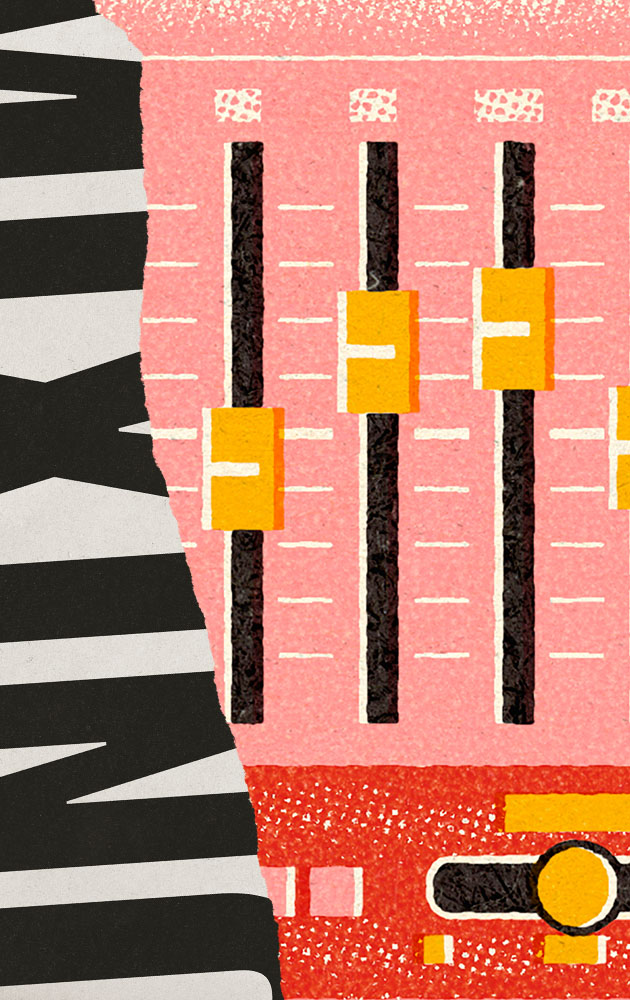
There was a big shift when a new role-playing game came out called Mörk Borg. These games have been around for a long time, 30, 40, 50 years, and somebody looked at it and was like, why hasn’t anybody tried this? The aesthetic of Mörk Borg was created by—oh my god, I’m going to blank on his name—a designer named Johan Nohr, another Scandinavian fella. He had this idea of taking the rules for this game and basically defining this whole aesthetic where it looks like a punk or metal zine. It’s messy. It’s janky. It communicates the world in this gnarly, gross, heavy metal, insane way. Some of the pages become almost unreadable.
But no one had created books that looked like this, and it’s exploded in popularity. It threw out that old boring textbook style and leaned into this heavy art, heavy metal punk aesthetic, and I think it was really, really great at doing that.