Optimization should protect innovation
Every company needs optimization, but it shouldn’t crowd out new ideas. Calvin Ross Carl argues that optimization’s job is to protect innovation, not replace it.
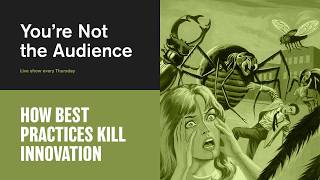


Summary
Calvin Ross Carl makes clear he isn’t dragging on the side of the business focused on optimization. Sales and the people who need their data are good, and every company needs optimization. But optimization should be there to protect innovation, not replace it. One of the biggest challenges, he says, is that optimization often takes the place of a chance at innovation.
Highlights
- Every company needs optimization.
- Optimization should protect innovation, not replace it.
- Too often, optimization replaces the chance to innovate.
Key insights
Not a knock on optimization
Sales and data-driven teams keep the business running. Calvin’s point isn’t that they’re the problem.
Give it the right job
Optimization works best as a shield for new ideas, funding and sustaining them, rather than the filter that kills them.
Detailed analysis
This is Calvin’s closing thought on the topic, and it reframes the tension as a question of roles. Optimization and innovation don’t have to compete if optimization is set up to protect the space where new ideas happen. Trouble starts when every idea has to pass optimization’s tests before it can exist.
Conclusion
Keep optimizing, but make sure it’s guarding innovation instead of replacing it.
Okay, that’s a lot of thoughts about optimization and innovation. But if I have any final thoughts about it, I also like to remind people—I don’t want this to seem like I’m totally dragging on the side of the business that’s focused on optimization, like the sales department and all of those people who need their data. Those are good. Every company needs optimization. But it should also be there to protect innovation, not replace it. That is definitely one of the biggest challenges: optimization often replaces a chance at innovation.